Home » Emergency HVAC Services
Marshfield's 24/7 Emergency Air Conditioner & Heater Repair
A cold house and a silent boiler require immediate attention. Call Harleys now for emergency HVAC repair in Marshfield, MA, at (781) 264-5437. Harleys Plumbing, Heating, Cooling answers day and night, including weekends.
- 24/7 Emergency Service
- Upfront, Honest Pricing
- Licensed and Insured

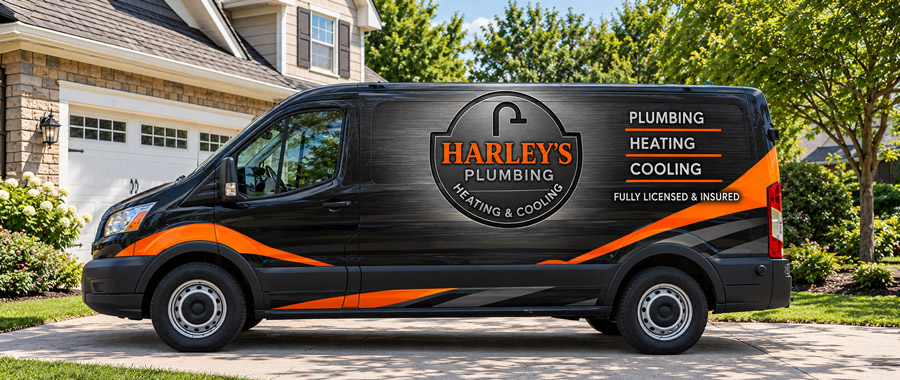
A heating failure in the middle of a winter night leaves your home freezing quickly. When indoor temperatures drop and radiators go cold, you need prompt emergency HVAC repair in Marshfield, MA. Harleys Plumbing, Heating, Cooling answers emergency calls at any hour. On arrival, our technician finds the failed component, explains the repair plainly, and provides an upfront price for your approval before work begins. When extreme summer heat turns off your cooling, we also provide 24-hour AC repair in Marshfield, MA.
Homeowners searching for emergency HVAC near me benefit from a locally based Marshfield emergency HVAC company. Winter outages are urgent because a January breakdown can threaten household warmth and plumbing lines.
Emergency service for Marshfield homes and families continues through nights, weekends, and holidays. When your heat is running poorly rather than fully out, our heater repairs and maintenance page explains scheduled service.
No Heat During a Marshfield, MA Cold Snap
During a hard freeze, heating systems run continuously. Components with minor wear often fail under this strain. A no-heat emergency on the South Shore typically involves a boiler or furnace, so prompt diagnosis is essential for emergency heater repair in Marshfield.
Boiler Lockouts and Pilot Failures
A lockout occurs when a boiler shuts down because a safety limit detects a fault. Triggers include ignition failures, low water levels tripping the cutoff, or excess pressure. On oil-fired boilers, pressing the reset button repeatedly is dangerous because it pumps unburned oil into the chamber. Press reset once; if it fails to stay lit, leave it off. On older gas boilers with standing pilots, worn thermocouples frequently drop out, and replacing them is routine emergency boiler repair in Plymouth County.
Furnace Ignition Problems
Gas furnaces follow a strict lighting sequence: inducers start, pressure switches prove draft, igniters heat, gas valves open, and flame sensors confirm fire. If any step fails, the furnace retries before locking out. Cracked igniters and dirty flame sensors are common ignition issues, while snow blocking outdoor vents keeps switches open. Control boards flash LED error codes to identify the failed step, helping our technician deliver fast 24-hour furnace repair.
Need Service Today?
From a small leak to a full replacement, call Harleys Plumbing, Heating, Cooling or schedule online. We'll send a licensed, insured technician who shows up on time and cleans up when the job is done.
AC Breakdowns in South Shore Heat Waves
South Shore heat waves bring heavy humidity that places severe loads on cooling systems. Equipment that struggled in early summer often fails during muggy heat waves, with three issues causing most emergency calls.
Frozen Evaporator Coils
When return airflow drops, indoor coil temperatures drop below freezing. Condensation turns to frost, eventually forming ice that chokes off airflow. Clogged filters, blocked returns, failing blower motors, or low refrigerant are primary causes. Switching the thermostat to “off” and fan to “on” begins thawing the coil while our technician travels to identify the mechanical problem.
Tripped Breakers and Failed Capacitors
Outdoor condensers rely on capacitors to provide starting voltage for compressors and fans. Extreme heat degrades capacitors, leaving condensers humming without starting until breakers trip. A tripped breaker should only be reset once, as repeated trips indicate electrical shorts. After replacing capacitors, we test motor electrical draw to ensure no secondary damage occurred.
Condensate Overflow Shutoffs
Air conditioners extract gallons of water from humid air daily, draining through dedicated lines. Algae and sediment clog lines over the summer. When drain pans back up, safety float switches shut off cooling to prevent ceiling leaks. We flush lines, clear P-traps, and inspect pans for cracks.
Even late at night, local technicians serving Marshfield and Plymouth County set every repair price upfront, and you approve the work before it starts. Cooling problems that can safely wait until morning are covered on our air conditioning repairs and maintenance page.
What to Do Before Our Technician Reaches Your Plymouth County Home
Emergency heating calls rarely happen in mild weather, so basic troubleshooting while you wait helps protect your property. In some cases, a simple setting check restores heat immediately, while a few precautions keep a heating outage from triggering frozen pipes.
Check the Thermostat and Breakers
Make sure your thermostat is set to “heat” and above room temperature, and replace the batteries if the screen is blank. Check your electrical panel for tripped breakers and make sure the emergency switch near the unit is turned on. On furnaces, replace dirty filters that cause high-limit shutdowns. If heat does not return, leave further troubleshooting to our crew.
Protect Pipes From Freezing
Without heat, pipes in unheated crawl spaces and exterior walls can freeze in hours. Take these steps until help arrives:
- Open vanity and sink cabinets to let warm room air reach pipes on exterior walls.
- Keep faucets running at a steady pencil-thin stream to maintain water movement.
- Close doors to unused rooms and keep garage doors shut to conserve heat.
- Use electric space heaters safely, keeping them away from curtains and never leaving them unattended.
- Locate your main water shutoff valve so you can shut off the water quickly if a pipe cracks.
After a Nor’easter in Brant Rock or Green Harbor
Coastal nor’easters bring storm surge, heavy snowdrifts, and electrical outages to oceanfront neighborhoods. Heating and cooling equipment in Brant Rock and Green Harbor often requires safety checks before restarting.
Flooded Outdoor Equipment
Storm surges submerge condensers, heat pumps, and oil burners in low-lying yards. Saltwater rapidly corrodes electrical contacts and coil tubing. Never turn on flooded equipment before inspection, as internal moisture can cause electrical shorts that destroy compressors.
Blocked Exhaust Vents
High-efficiency heating systems vent through PVC pipes near ground level. Drifting snow can bury these vents, causing pressure switches to lock out burners. Clear snow away from both pipes. If equipment still fails to light, call our office for no-heat repair.
Power Surge Damage
When utility power returns after an outage, surges can damage control boards, transformers, and thermostats. Systems that refuse to start or cycle erratically after storms often require control board diagnostics and surge-related part replacements.
Emergency Safety Concerns in Greater Marshfield Area Homes
While most emergency HVAC service focuses on comfort, two situations pose immediate hazards that require urgent action.
Burning Smells From Vents
A dusty smell during your first autumn heating cycle is normal as dust burns off heat exchangers. A sharp electrical or burning-plastic odor indicates an overheating motor, damaged wiring, or melting insulation. Shut off equipment immediately. If you smell rotten eggs, natural gas is leaking; evacuate immediately, call 911 or the gas utility from outside, and call us only after responders clear the building.
Carbon Monoxide Alarm Response
Carbon monoxide is odorless, invisible, and dangerous. Treat every CO alarm as an emergency. Evacuate all occupants and pets outdoors and call 911 from outside. After emergency crews clear your home, our technicians inspect heat exchangers, draft hoods, and flues to locate the crack or venting restriction.
Frequently Asked Questions
Ready for Same-Day Service and Straightforward Pricing?
What Our Marshfield Neighbors Are Saying
“Our water heater died on a Sunday night and they had a technician at the house the same day. Clear price up front, clean work, and hot water by dinner.”
“They found a hidden leak other companies missed and fixed it right the first time. Polite, on time, and they explained everything in plain language.”
“One team handled our bathroom remodel and all the plumbing. The estimate was free, the final bill matched it, and the job was done on schedule.”